
Our Programmes
Neuromath’s Programmes Are Designed for Lasting Success, Building Thinkers, Not Memorisers
Neuromath is redefining how children learn math by weaving cognitive science, purposeful play,
and structured reasoning into every lesson. Children don’t just complete worksheets; they explore, experiment, and connect ideas, making learning meaningful, engaging, and lasting.
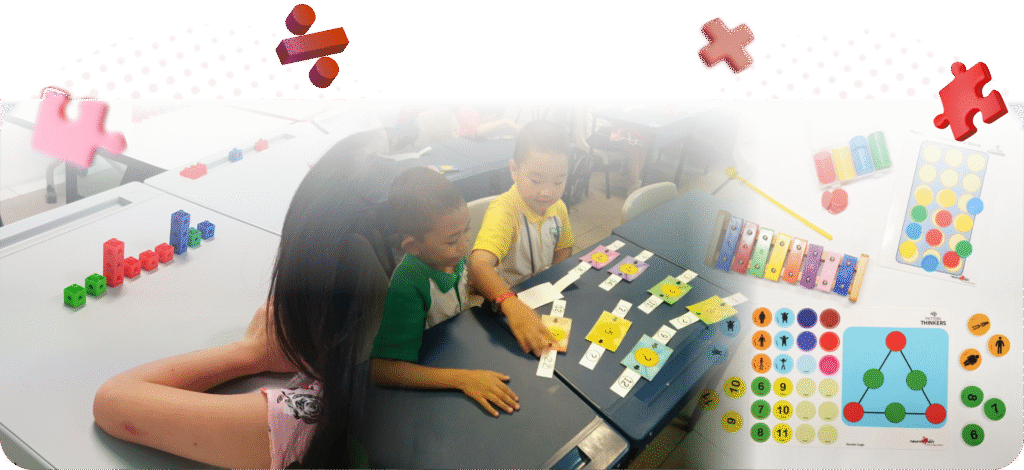
how we teach
Visual Explanation of
How We Conduct Our Lessons
Every Neuromath lesson is built on the proven Concrete → Pictorial → Abstract (CPA) method, supported by physical manipulatives. Children start by exploring with hands-on tools, then move into visual models, and finally apply abstract reasoning with confidence. This ensures concepts are not memorised, but deeply understood and remembered.
1
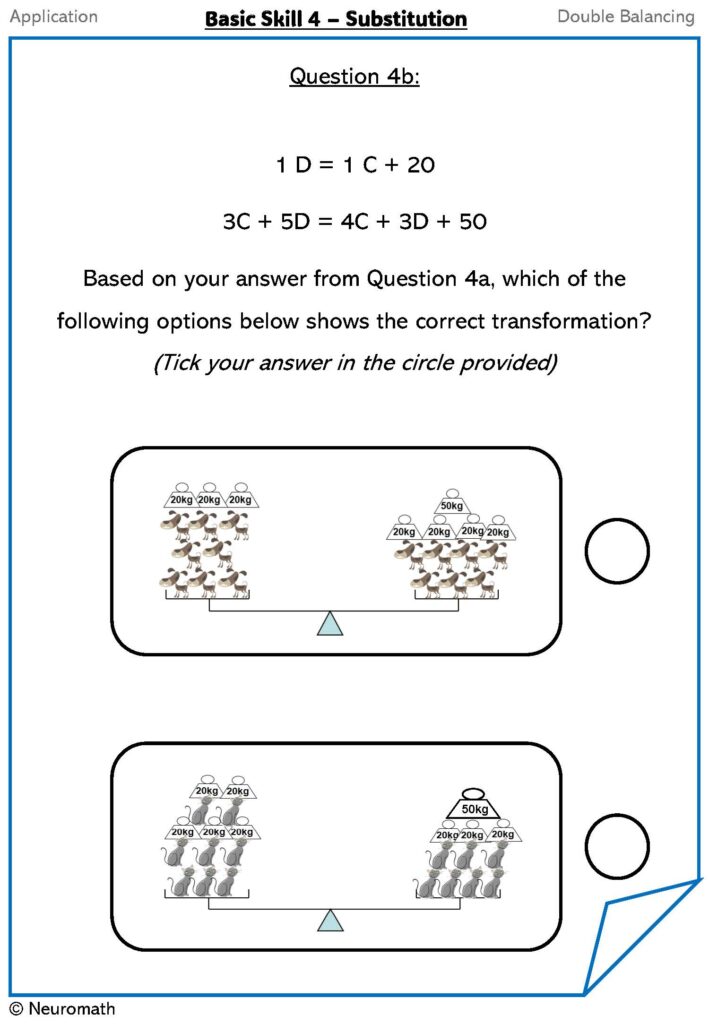
Realistic Scenarios
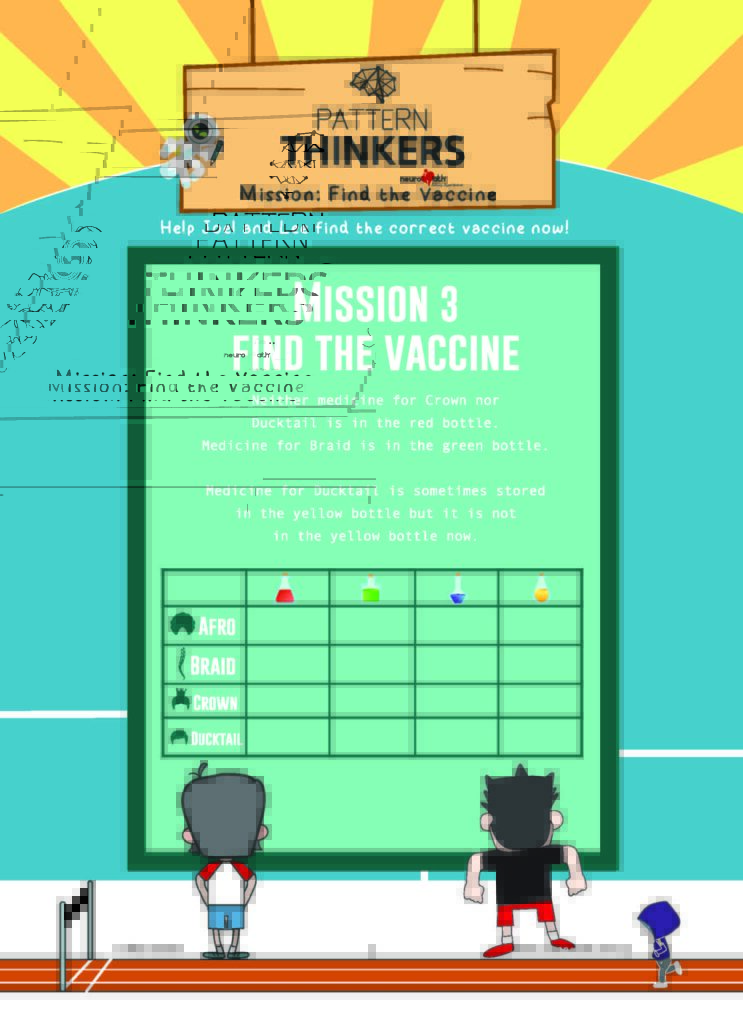
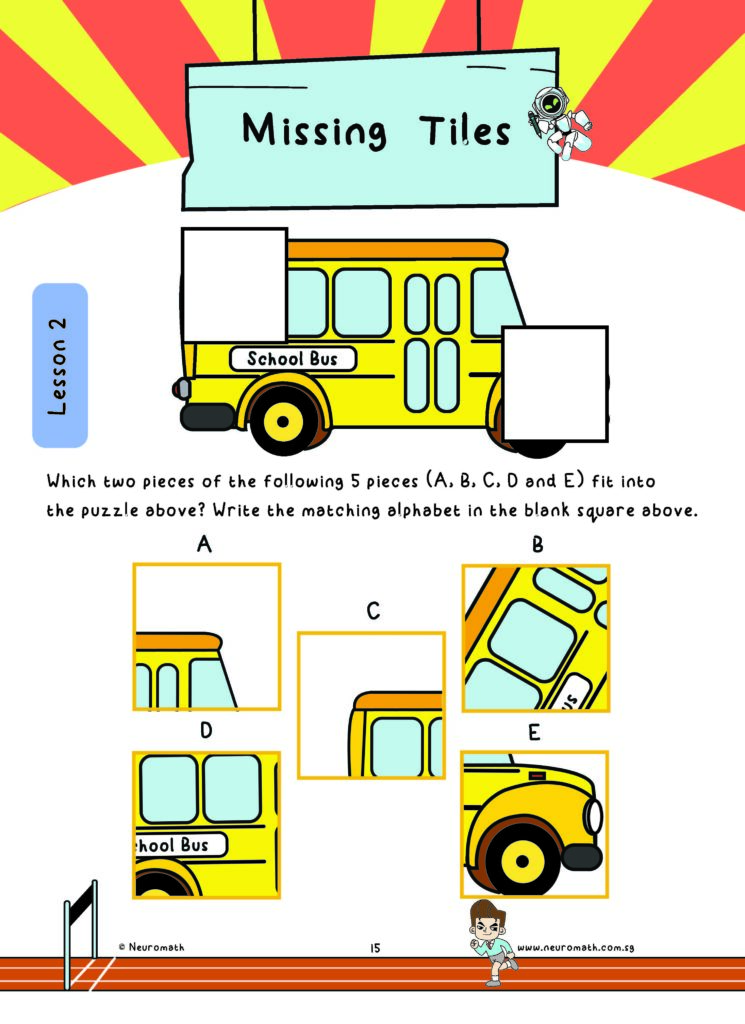
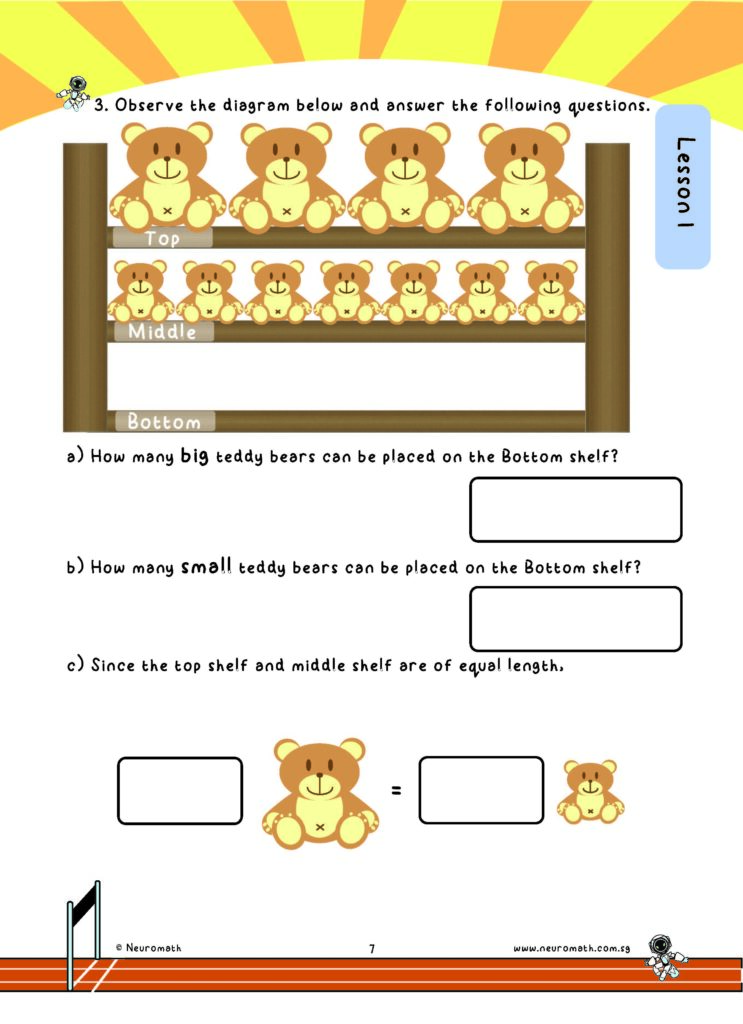
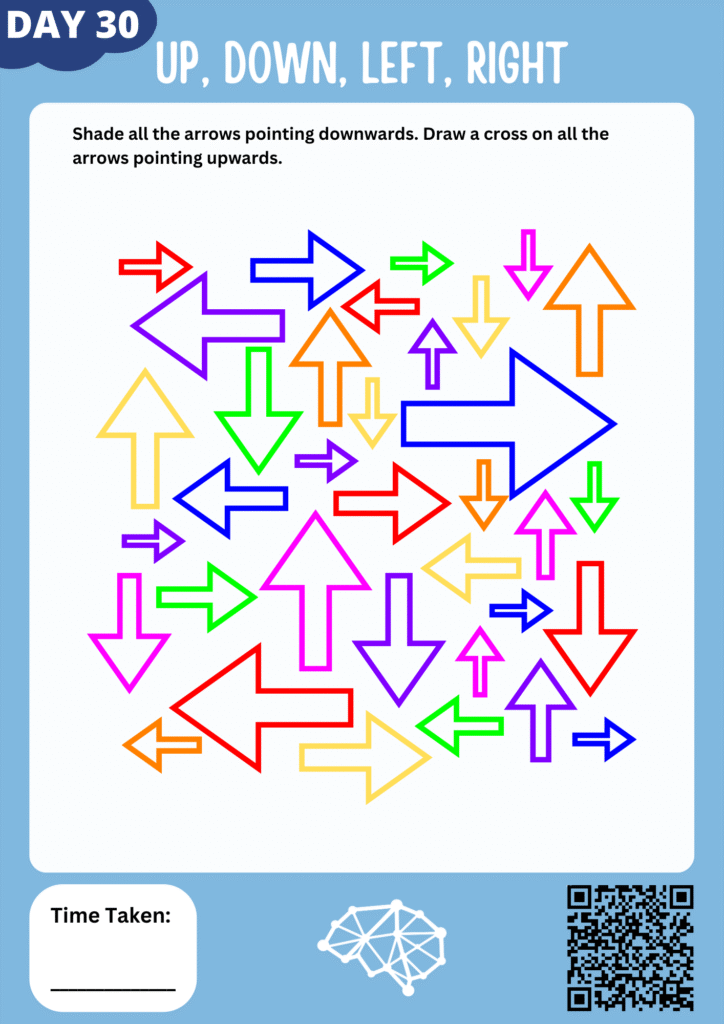
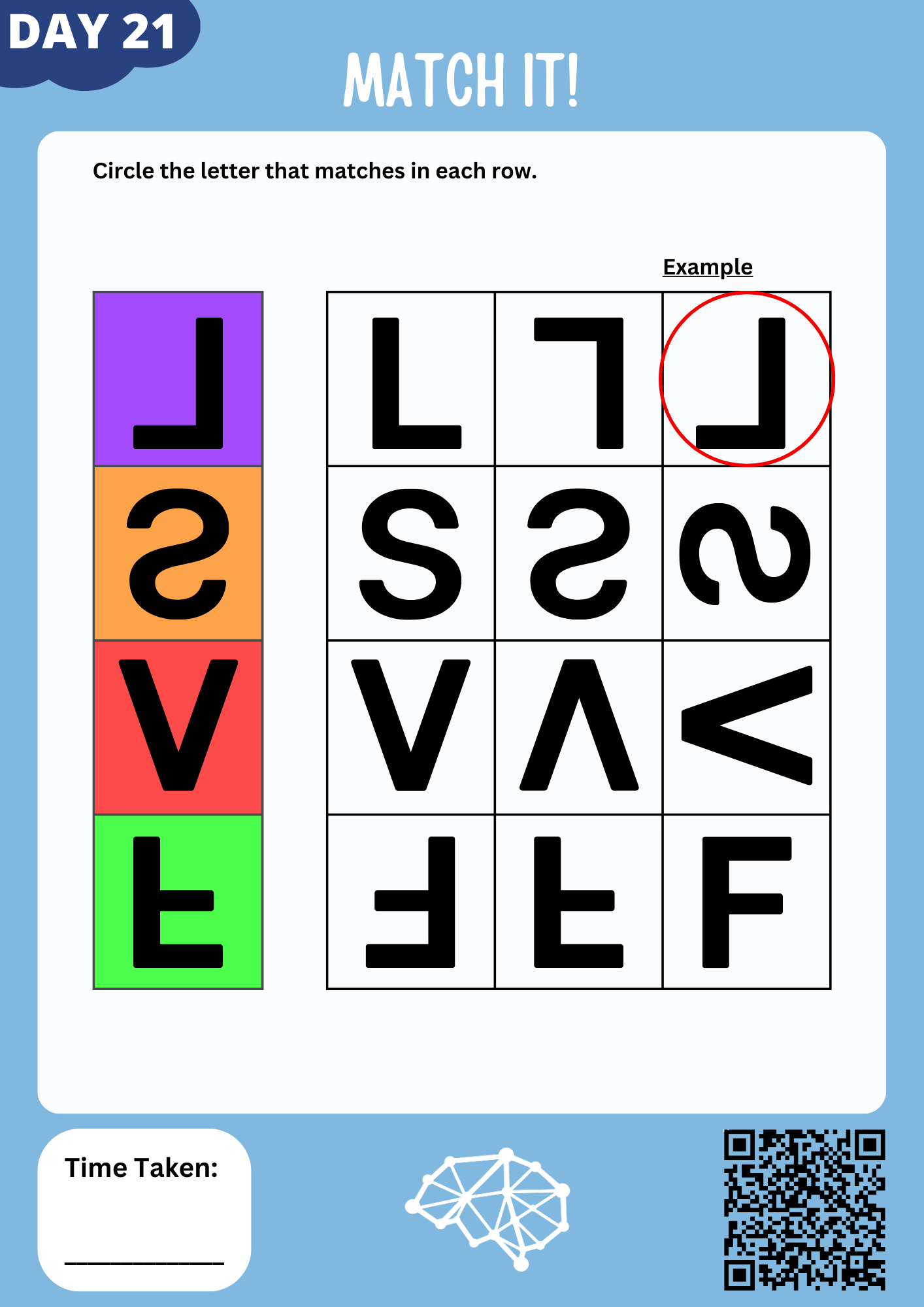
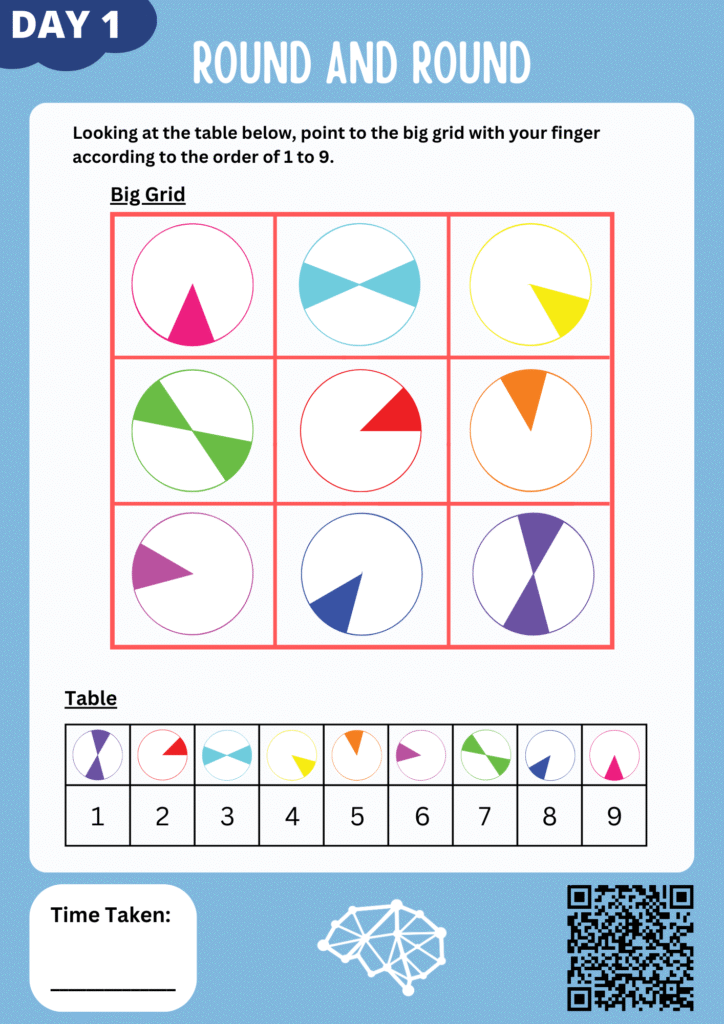
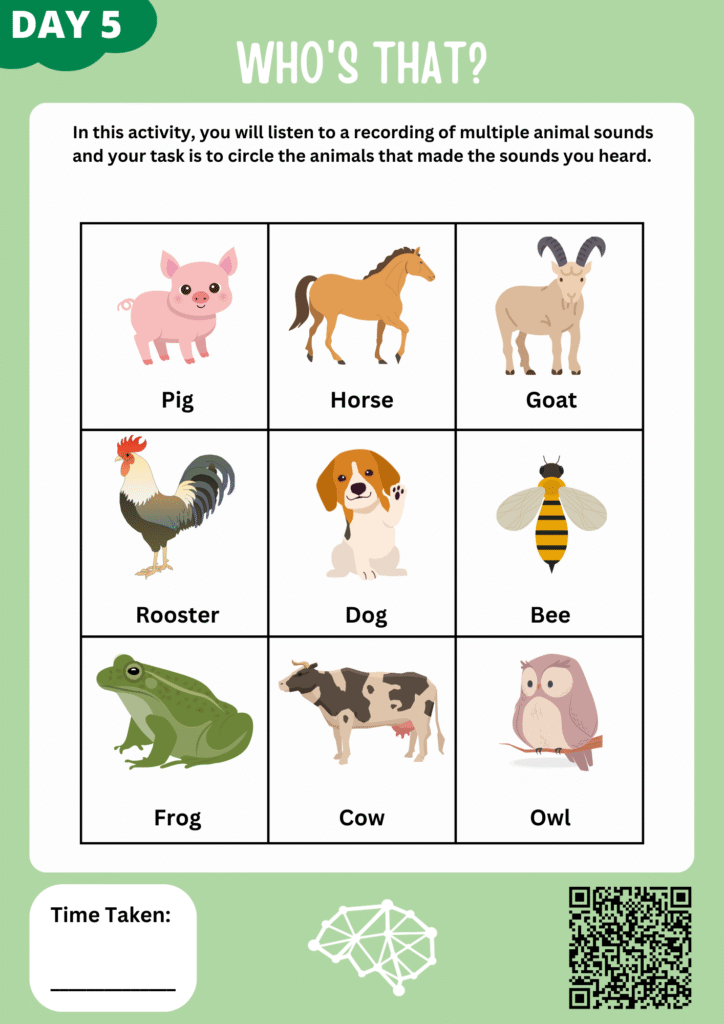
Colorful, activity-based workbooks that encourage exploration, practice, and deeper understanding.

2
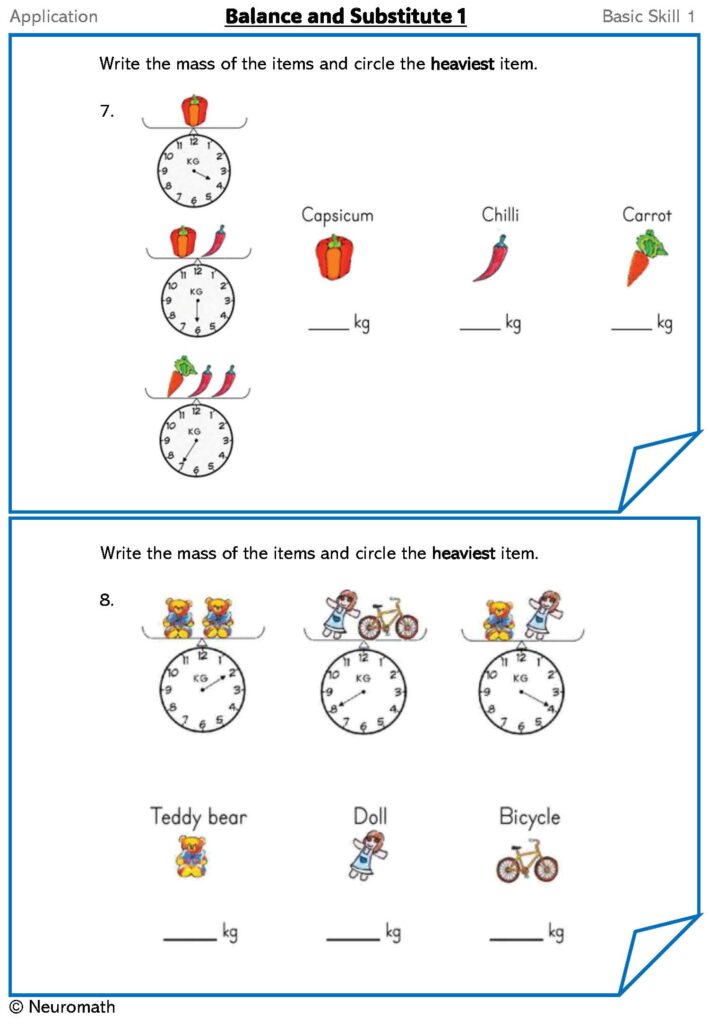
Engaging Workbooks
Clear, step-by-step pages that guide children through
practice and build confidence.
3
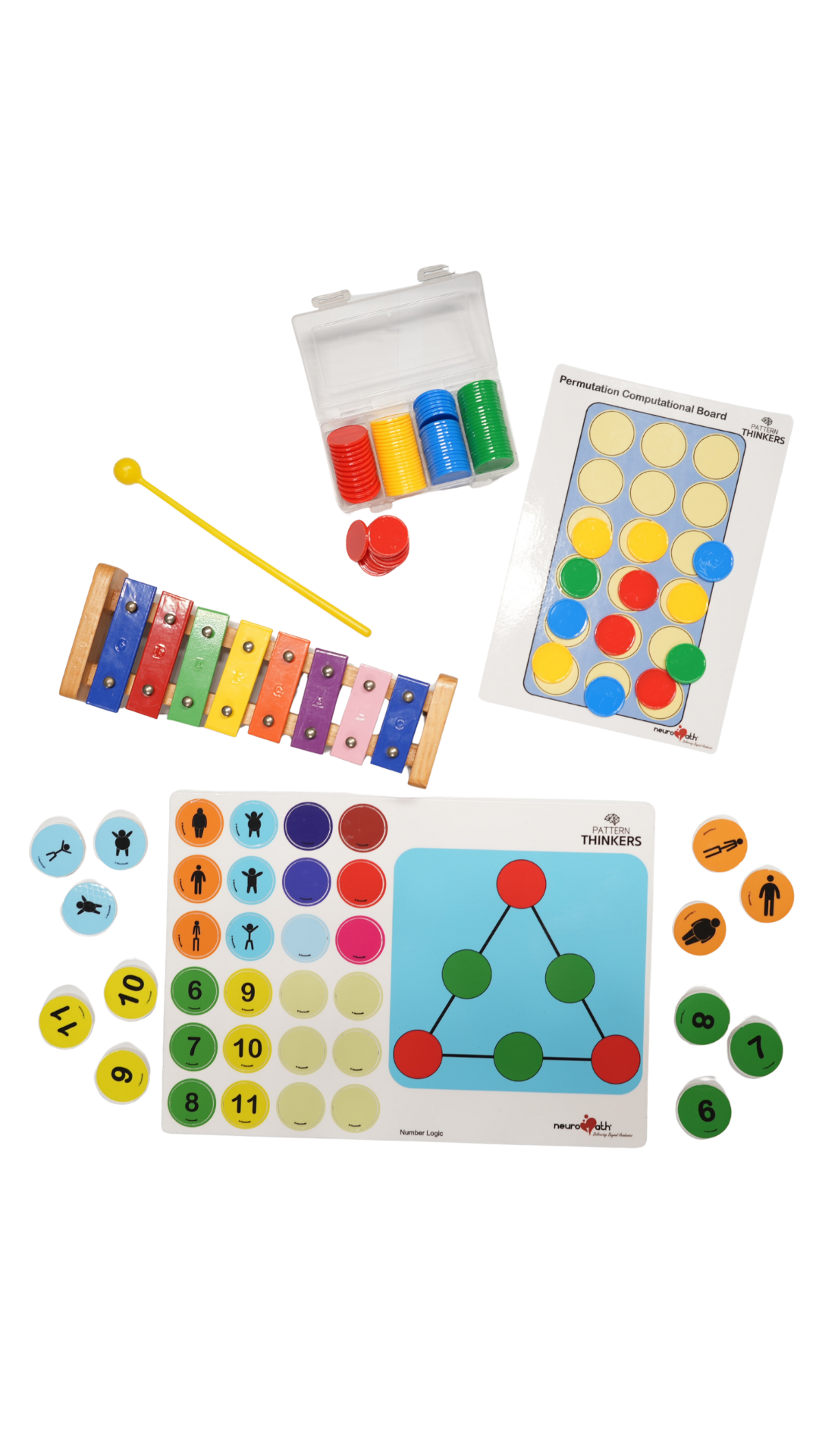
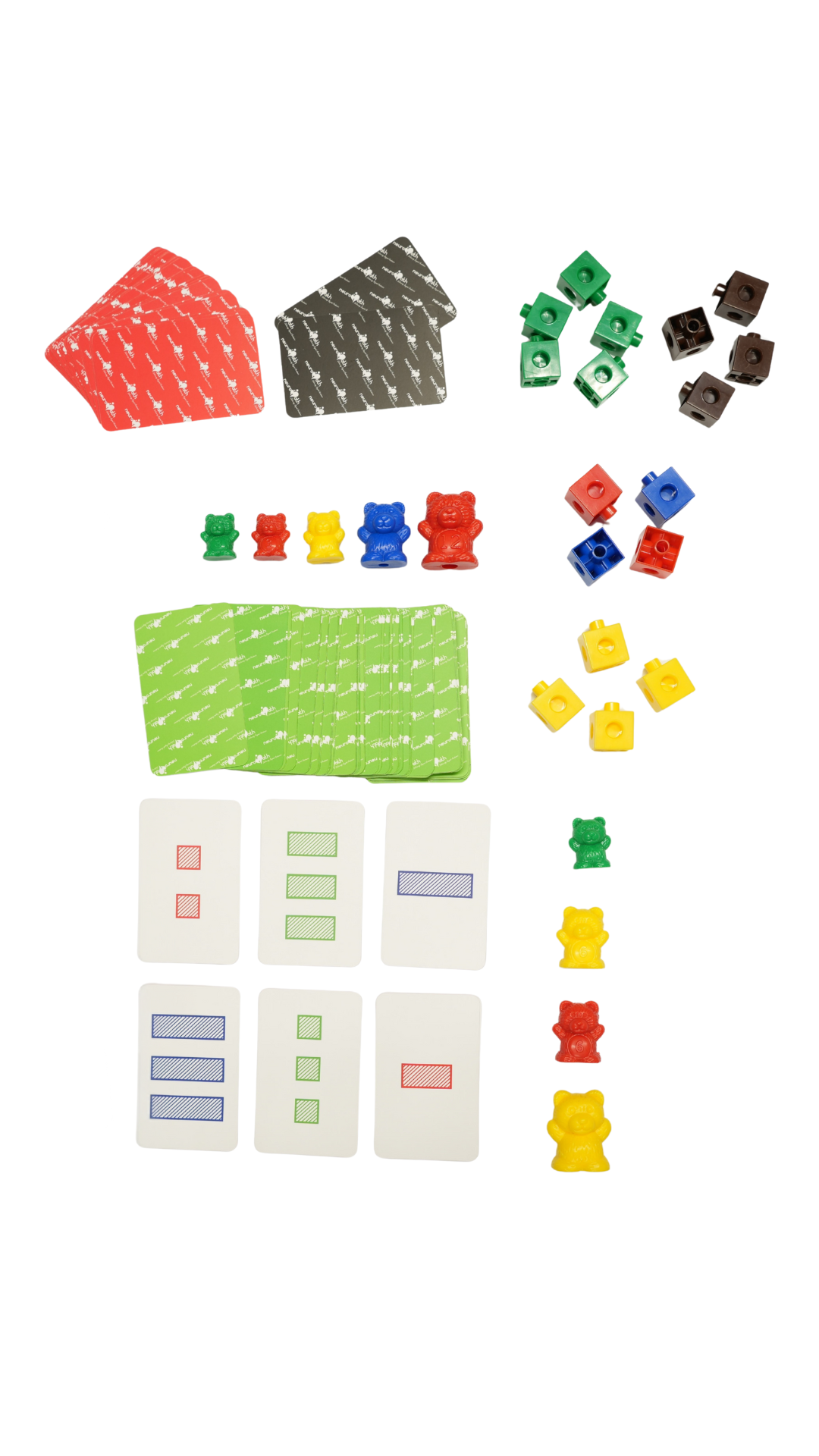
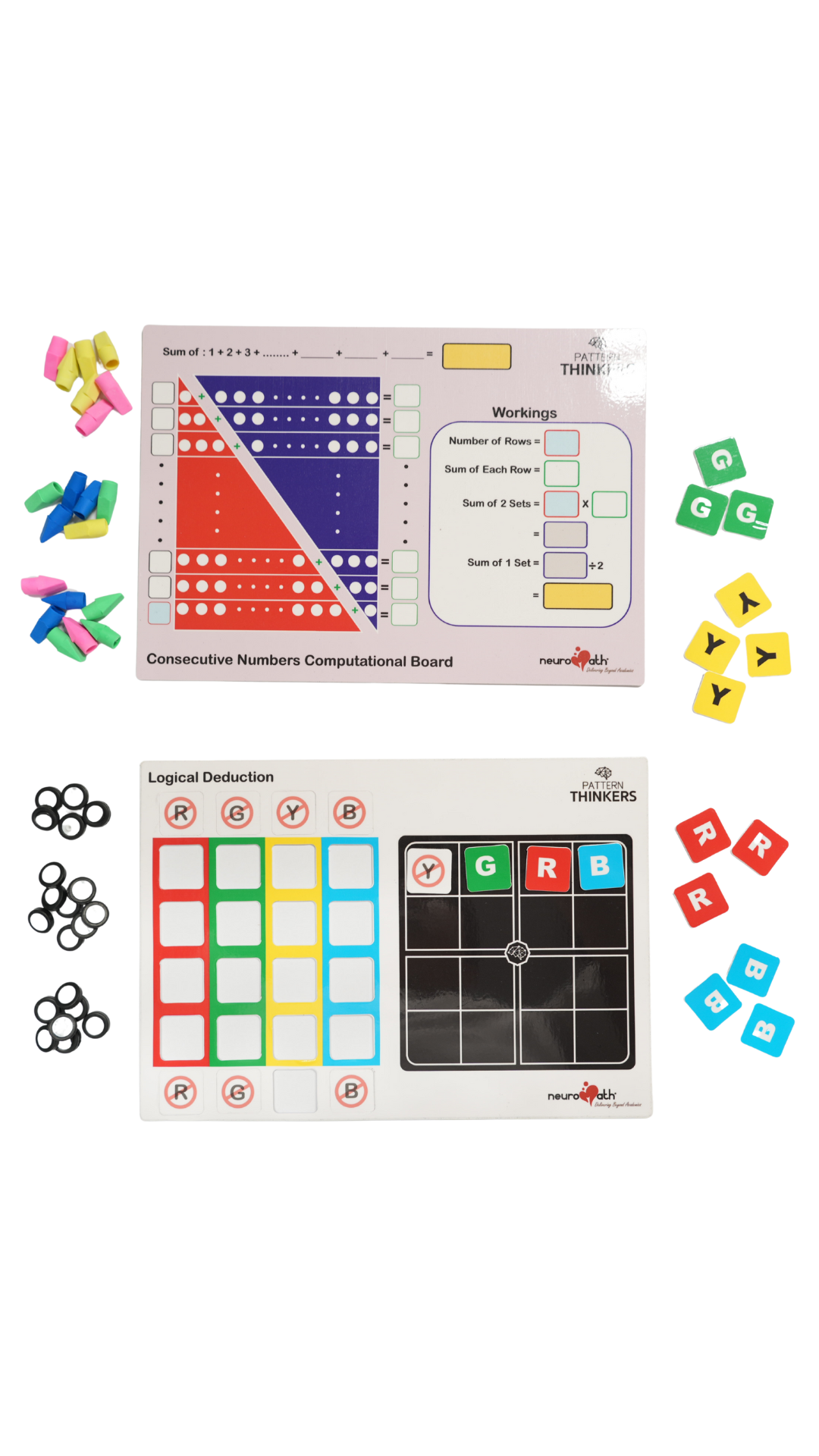
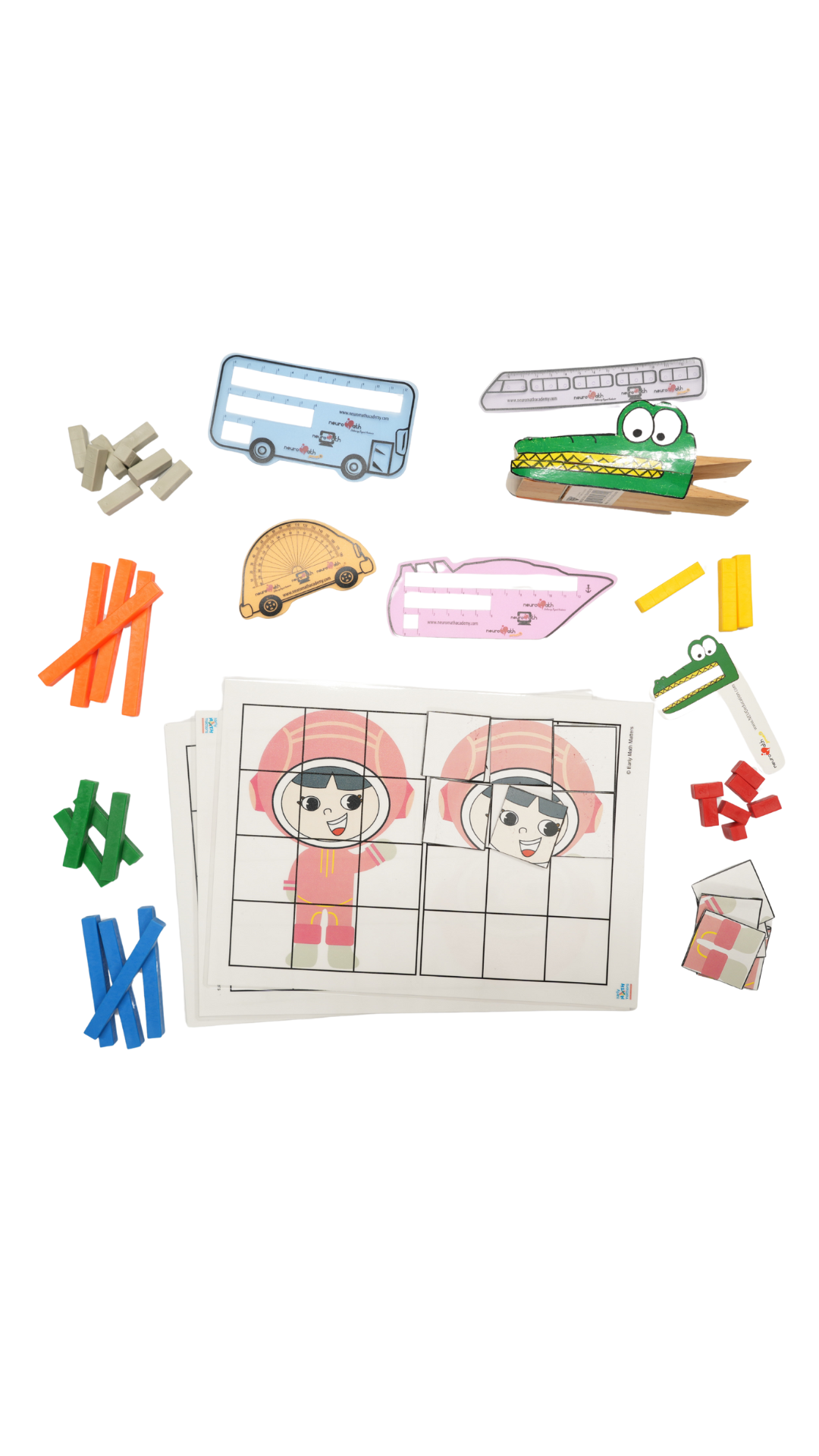
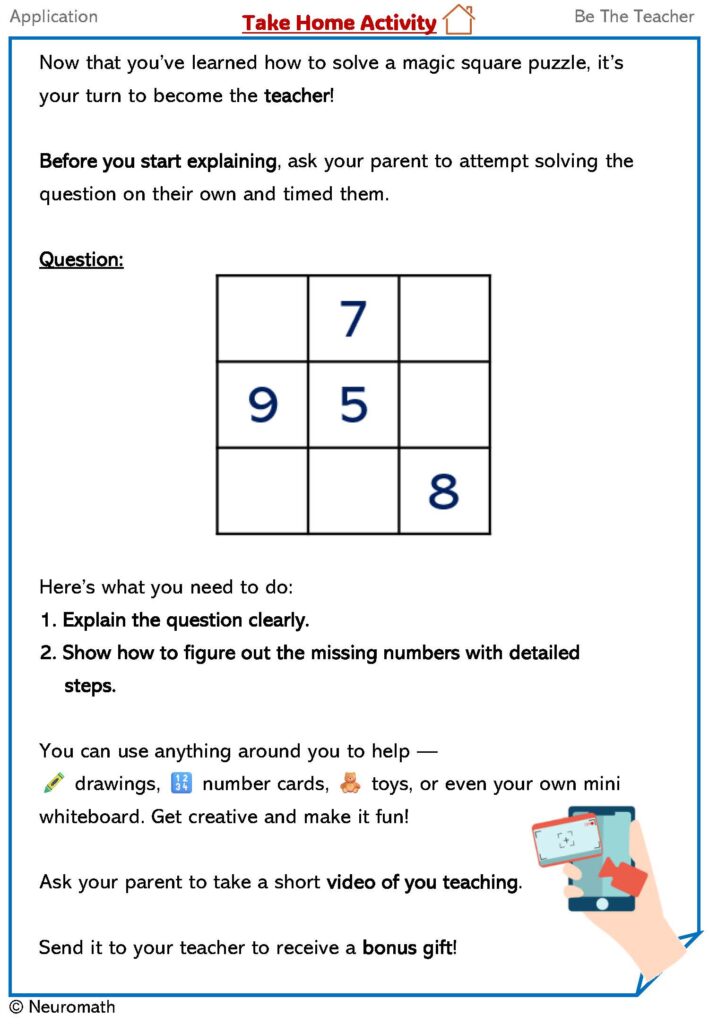
Interactive Manipulatives
Hands-on learning tools that make abstract ideas
simple, fun, and memorable.
4
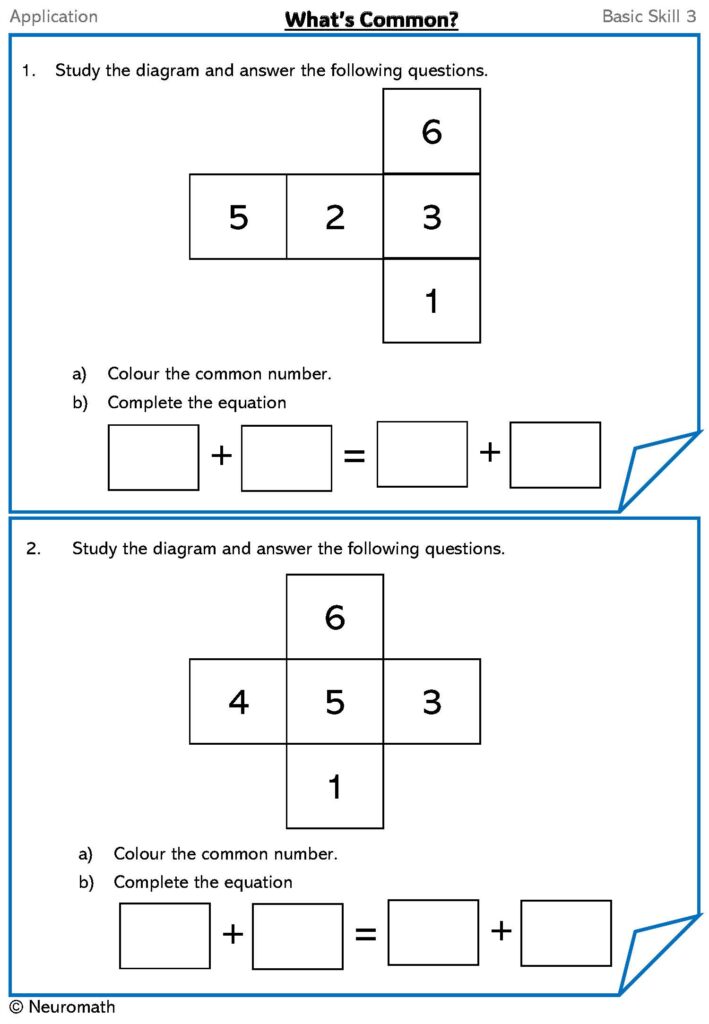
MOE-aligned Strategies
Proven methods and approaches that keep lessons
relevant to the school syllabus
programme breakdown
Unlock Your Child’s Potential with Neuromath Programmes Choices
Thinking Gym
Best for: Children who want to build sharper
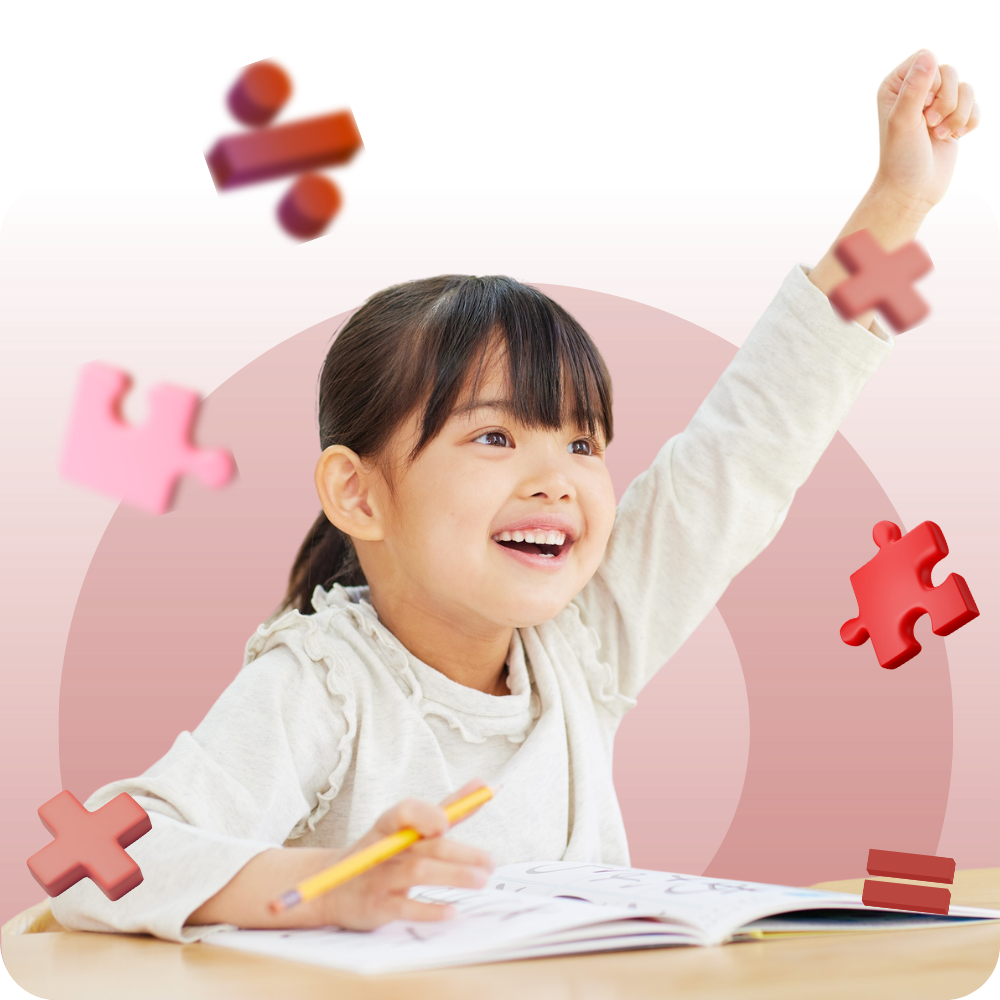
focus, stronger logic, and better attention control.Thinking Gym strengthens the engine of learning that drives every child’s success. It develops focus, logic, visual-spatial awareness, and flexible problem-solving through purposeful activities and tools. Sessions are designed to be fun and structured, building confidence early,
and helping children stay engaged and motivated.
Logic Games & Puzzles
Play-based challenges that encourage reasoning.
Visual-Spatial Training
Children learn to see patterns, compare relationships, and visualise moves ahead.
Hands-on Tools
Manipulatives that make abstract ideas concrete.
Hands-on Tools
Manipulatives that make abstract ideas concrete.
Confidence Builders
Small wins that nurture a child’s belief in their ability.
Thinking Gym makes learning enjoyable and strengthens the
mental habits that keep children focused and confident.
.
Pattern Thinkers
Best for: Children who want to eliminate careless mistakes, become comfortable solving unfamiliar problems, and achieve accuracy in workings.
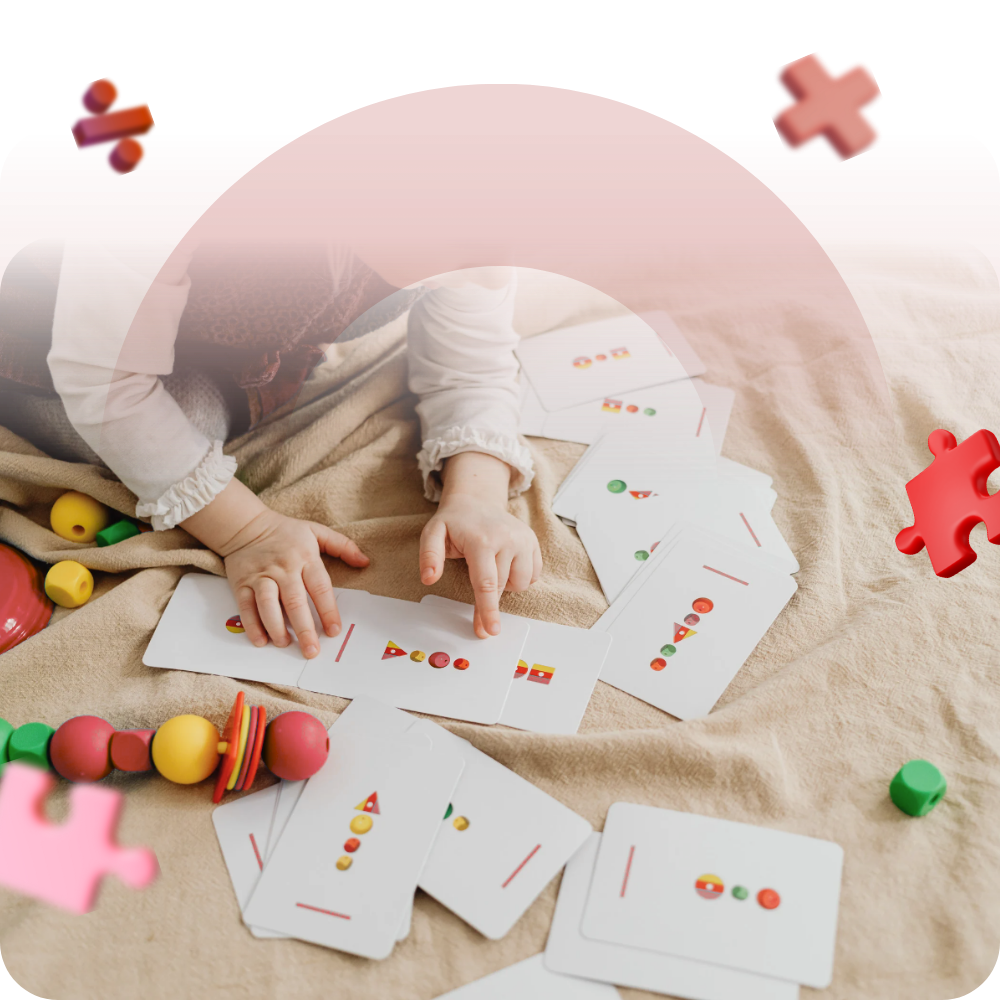
Pattern Thinkers turns thinking skills into structured, repeatable competence. Children learn to recognise patterns, organise their solutions, and develop habits that
improve independence and accuracy.
Pattern Play
Spotting sequences, rules, and relationships with ease.
Strategy Frameworks
Step-by-step ways to organise and solve problems.
Accuracy Training
Practical methods to check and correct their own work.
Plan–Check–Adapt Routine
A habit/routine that reduces careless mistakes and strengthens resilience.
Absolute Problem-Solving
Builds confidence to attempt challenging questions without relying on adults.
Pattern Thinkers gives children clarity and structure,
so they solve problems with independence and accuracy.
.
Cleverly Thinking Lab
Best for: Children ready to take on school demands and want to build resilience for exams and conceptual mastery.
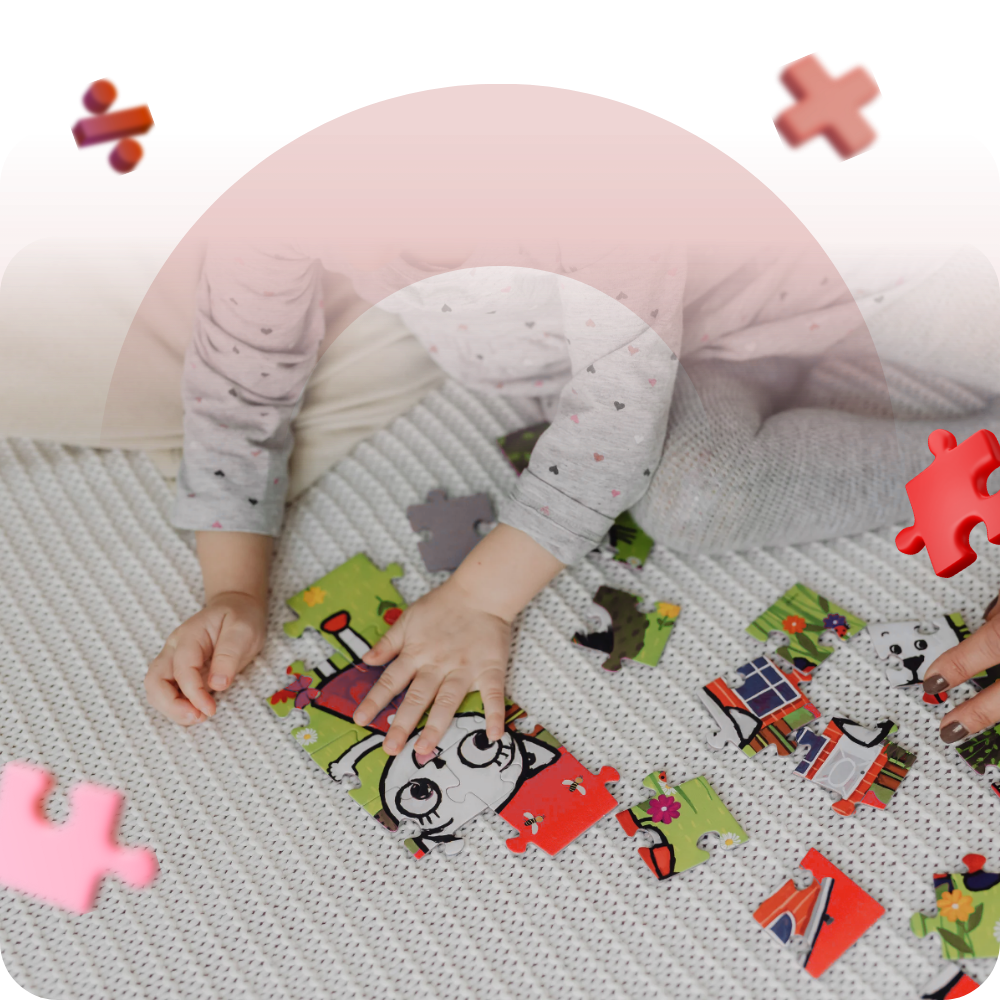
Cleverly connects Neuromath’s Thinking OS directly to school math performance. Students practise linking concepts across topics, working through multi-step problems, and building habits that reduce errors and exam stress.
Singapore Math Integration
Aligns trained thinking with
the actual curriculum.
Long-Working Resilience
Builds stamina to handle multi-step
solutions with clarity
Hasty-Mistakes Reduction
Self-check routines that sharpen
accuracy under time pressure.
Concept Connections
Dive deep into new concepts
with scaffolded lessons.
Exam Strategy & Readiness
Smart heuristics and timing approaches
for confident performance.
Cleverly helps children transfer their thinking into school success
building resilience, exam readiness, and adaptable concepts.
Structured cognitive framework
Learning With a Roadmap
At Neuromath, thinking isn’t left to chance, it follows a clear path.
Our system makes sure every child’s growth is guided step by step, so progress is steady and lasting. Children begin by strengthening the basics of focus, attention, and logical reasoning. Once those foundations are strong, they move naturally into building problem-solving habits — learning how to plan, check, and adapt their own work. Finally, they connect ideas across topics, so they can apply their thinking flexibly in school, exams, and real-life challenges.
Because the framework is structured, teachers know exactly what to look for at each stage, and parents can see the difference as their child grows in confidence and independence. The result is not just better performance now, but also a way of thinking that prepares children for the future.
✓ Decode unfamiliar problems
✓ Think beyond taught formats
✓ Explain their reasoning
✓ Stay composed under challenge
.
Ready to Find the
Right Fit for Your Child?
Every child’s learning journey is unique. If you’d like to understand how Neuromath can support your child’s growth, our team is here to help. Contact us to discuss your child’s needs and explore the next steps.